
New Delhi, World Desk | WEBVARTA
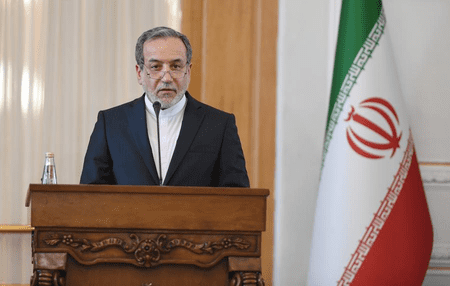
Iran Strait of Hormuz Warning has added a fresh layer of uncertainty to the already volatile security situation in West Asia after Iranian Foreign Minister Abbas Araghchi warned that any attempt to bypass shipping routes agreed with the United States could further escalate regional tensions. The remarks came amid renewed US military strikes on Iranian targets, highlighting the fragile state of relations between Washington and Tehran despite ongoing diplomatic efforts. As one of the world’s most strategically important maritime chokepoints, the Strait of Hormuz remains central to global energy supplies, making any disruption a matter of international concern.
Speaking during an official visit to Iraq on Sunday, Araghchi stressed that preserving stability in the Gulf requires cooperation rather than unilateral actions. He urged regional countries to work towards establishing a comprehensive Gulf security framework capable of reducing tensions and ensuring the uninterrupted movement of commercial shipping through one of the world’s busiest oil transit routes.
The latest warning comes at a time when military activity has intensified across the region, with both the United States and Iran exchanging strong statements following recent military operations. Analysts say developments surrounding the Strait of Hormuz will continue to influence global energy markets and international diplomatic efforts in the coming weeks.
- Main Issue: Iran Strait of Hormuz Warning
- Iran’s Position: Opposes bypassing agreed shipping routes
- Key Official: Foreign Minister Abbas Araghchi
- Recent Development: US conducted fresh military strikes on Iranian targets
- Strategic Importance: Strait of Hormuz handles a significant share of global oil exports
- Latest Proposal: Regional Gulf security framework
Iran Warns Against Changes to Strait of Hormuz Shipping Routes
The Iran Strait of Hormuz Warning follows growing concerns over maritime security in the Gulf region. Foreign Minister Abbas Araghchi stated that any attempt to bypass shipping arrangements previously agreed with the United States could increase instability and complicate ongoing diplomatic efforts.
According to Iranian officials, coordinated navigation remains essential for ensuring safe commercial shipping while avoiding unnecessary military confrontations. Tehran argues that unilateral changes to established maritime routes could create misunderstandings and raise the risk of further escalation.
Fresh US Military Strikes Raise Regional Tensions
Araghchi’s remarks came shortly after the US military announced that it had carried out fresh strikes against multiple Iranian targets on Saturday. While Washington described the operations as part of its broader regional security strategy, the attacks have prompted renewed criticism from Tehran.
The latest military action reflects continuing tensions between the two countries despite diplomatic contacts aimed at reducing hostilities. Security analysts warn that repeated military exchanges increase the risk of broader instability across West Asia.
The Strait of Hormuz is one of the world’s most important maritime trade corridors, connecting the Persian Gulf with international waters. A substantial portion of global crude oil and liquefied natural gas exports passes through this narrow waterway each day. Any disruption to shipping can significantly affect international energy prices, global trade, and regional security.
Iran Calls for a New Gulf Security Framework
During his visit to Iraq, Abbas Araghchi also advocated the creation of a broader regional security framework involving Gulf countries. He said lasting stability cannot rely solely on military deterrence but requires sustained diplomatic engagement, confidence-building measures, and cooperation among neighbouring nations.
Iran believes that stronger regional dialogue could reduce the likelihood of future confrontations while ensuring secure maritime navigation and protecting vital international trade routes.
Global Energy Markets Closely Monitor Developments
International markets continue to closely monitor developments involving the Strait of Hormuz because of its strategic importance for global energy supplies. Even limited disruptions or heightened security concerns can trigger volatility in crude oil prices and shipping insurance costs.
Energy analysts note that geopolitical tensions involving the waterway frequently influence investor sentiment, supply chain planning, and energy security policies adopted by major oil-importing nations worldwide.
| Key Developments | Details |
|---|---|
| Latest Statement | Iran warns against bypassing agreed Strait of Hormuz routes |
| Iranian Official | Foreign Minister Abbas Araghchi |
| Recent US Action | Fresh military strikes on Iranian targets |
| Strategic Waterway | Strait of Hormuz |
| Regional Proposal | Comprehensive Gulf security framework |
| Global Concern | Energy supplies and maritime security |
Diplomatic Efforts Continue Despite Rising Military Activity
Although diplomatic channels between regional and international stakeholders remain open, recent military developments demonstrate how fragile the security environment has become. Governments across the Gulf continue to balance diplomatic engagement with enhanced defence preparedness as uncertainty persists.
International observers believe that continued dialogue between regional powers will be essential to prevent further escalation and maintain stability in one of the world’s most strategically significant regions.
Any escalation involving the Strait of Hormuz could affect global oil supplies, shipping operations, freight costs, insurance premiums, and international energy prices. Continued diplomatic engagement will remain crucial to preventing wider regional instability.
Conclusion
The Iran Strait of Hormuz Warning highlights the growing strategic importance of maritime security as tensions between Iran and the United States continue. With fresh military strikes, diplomatic warnings, and renewed calls for a Gulf-wide security framework, the region remains under close international scrutiny. As governments seek to protect commercial shipping and avoid broader conflict, developments surrounding the Strait of Hormuz will continue to influence global energy markets and regional stability.