
New Delhi, International Affairs Desk | WEBVARTA
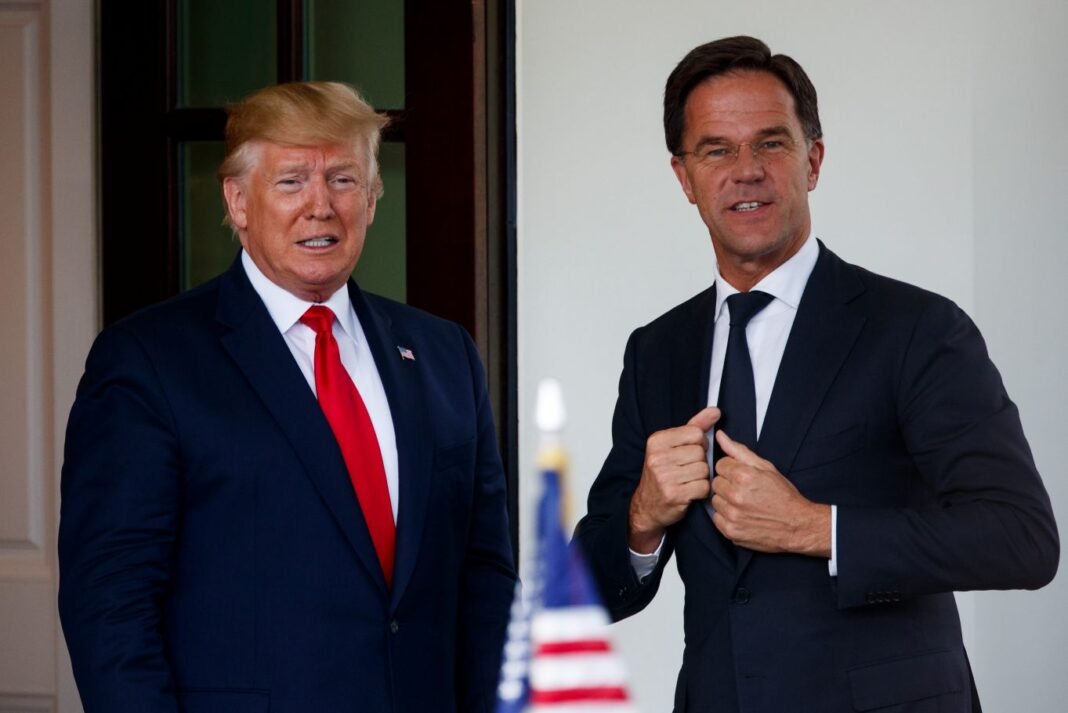
Trump Criticizes NATO Allies as fresh tensions emerged within the transatlantic alliance during a White House meeting between U.S. President Donald Trump and NATO Secretary General Mark Rutte. While Trump said the United States was making significant progress in negotiations with Iran, he expressed disappointment that NATO members failed to back his campaign against Tehran during the conflict.
The remarks come at a crucial time for the alliance, with leaders from NATO’s 32 member countries scheduled to meet for a summit in Ankara, Turkey, on July 7-8. Trump’s comments have once again raised questions about burden-sharing, alliance solidarity, and the role of NATO members during major international conflicts.
During the meeting, Trump maintained that the United States achieved its military objectives rapidly and effectively. However, he said he was “let down” by allies who chose not to publicly support Washington’s actions against Iran. Meanwhile, Mark Rutte sought to ease tensions by highlighting the logistical and operational support provided by European NATO members during the conflict.
📌 Quick Info
- Meeting: Donald Trump and NATO Chief Mark Rutte
- Location: White House, Washington D.C.
- Main Issue: NATO’s reluctance to support the Iran campaign
- Trump’s View: Allies failed to back U.S. efforts
- Rutte’s Response: NATO countries provided operational support
- Upcoming Event: NATO Summit in Ankara on July 7-8
Why Trump Criticizes NATO Allies Over Iran Support
President Trump made it clear that he expected stronger backing from NATO members during the conflict involving Iran. While he acknowledged that the United States did not require direct military assistance, he argued that a stronger display of political support would have demonstrated alliance unity.
According to Trump, the U.S. military campaign achieved its objectives within a short period. He suggested that American forces acted decisively and successfully, but expressed disappointment that allied governments did not publicly offer support for the operation.
His remarks are likely to reignite debates over NATO’s role in conflicts that fall outside the alliance’s traditional collective defense commitments. Several member nations have historically been cautious about participating in military campaigns that are not directly linked to NATO obligations.
Trump Says Iran Negotiations Are Progressing Well
Despite criticizing allies, Trump struck a positive tone regarding diplomatic engagement with Iran. Speaking after the meeting, he stated that the United States was “doing great” in negotiations and expressed confidence that discussions were moving in a constructive direction.
The administration continues to pursue a strategy that combines diplomatic pressure with security measures aimed at influencing Iran’s regional behavior. Officials believe ongoing talks could help reduce tensions while maintaining U.S. strategic interests in the Middle East.
Analysts note that negotiations remain an important component of Washington’s broader Iran policy, particularly as regional security concerns continue to evolve.
| Key Development | Details |
|---|---|
| White House Meeting | Donald Trump and Mark Rutte |
| Main Dispute | NATO support during Iran conflict |
| Trump’s Position | Disappointed by lack of allied backing |
| Iran Talks | Trump says negotiations are progressing well |
| Rutte’s Defense | European bases supported U.S. operations |
| Next Major Event | NATO Summit in Ankara, July 7-8 |
Context Behind the Disagreement
The dispute reflects broader concerns about alliance responsibilities and burden-sharing within NATO. While member nations often cooperate on security issues, disagreements occasionally emerge regarding military interventions and how much support should be provided during conflicts initiated by individual allies.
Mark Rutte Defends NATO Members
Seeking to calm tensions, NATO Secretary General Mark Rutte emphasized that alliance members had contributed significantly during the conflict. He pointed to the extensive use of European military infrastructure by American forces as evidence of practical support.
According to Rutte, between 4,000 and 5,000 U.S. aircraft operated from bases across Europe during the war. His comments were intended to demonstrate that NATO countries provided valuable assistance even if they did not publicly endorse the campaign.
Rutte’s response highlights the distinction between direct military participation and logistical support, a difference that often shapes alliance discussions during international crises.
Upcoming NATO Summit Faces Added Scrutiny
Trump’s criticism comes less than two weeks before NATO leaders gather in Ankara. The summit is expected to focus on defense spending, military readiness, regional conflicts, and future security challenges facing the alliance.
Observers believe Trump’s comments could influence discussions among member states, particularly regarding expectations for support during future conflicts. The issue may also prompt renewed debate about NATO’s strategic priorities and the responsibilities of individual members.
As geopolitical tensions continue to rise across several regions, alliance cohesion is expected to remain a central topic during the summit.
Trump Criticizes NATO Allies as Alliance Unity Is Tested
The latest disagreement underscores the challenges facing NATO as it seeks to balance differing national interests while maintaining collective security commitments. Although the alliance remains one of the world’s most influential security organizations, disagreements over military interventions can expose underlying divisions.
Experts say NATO leaders will likely seek to present a united front in Ankara while privately addressing concerns raised by Washington. Maintaining alliance cohesion remains critical at a time of increasing global uncertainty and security competition.
Potential Impact
The dispute could place additional pressure on NATO members ahead of the Ankara summit. While Mark Rutte’s efforts may help reduce immediate tensions, Trump’s criticism is likely to fuel ongoing discussions about alliance commitments, burden-sharing, and the future direction of NATO’s security strategy.
Conclusion
The debate over why Trump Criticizes NATO Allies is expected to remain a key issue as NATO leaders prepare for their upcoming summit in Turkey. While President Trump praised progress in Iran negotiations, his frustration with the lack of allied support has exposed differences within the alliance. How NATO members address these concerns in the coming weeks could influence both alliance unity and future security cooperation.