
New Delhi, Energy & Global Markets Desk | WEBVARTA
Strait of Hormuz Oil Shipments remained in global focus after U.S. Energy Secretary Chris Wright said nearly 20 million barrels of crude oil exited the strategic waterway during the last 24 hours. His remarks came amid continued geopolitical tensions in West Asia, where the Strait of Hormuz remains one of the world’s most critical energy transit routes despite months of disruptions linked to regional conflict.
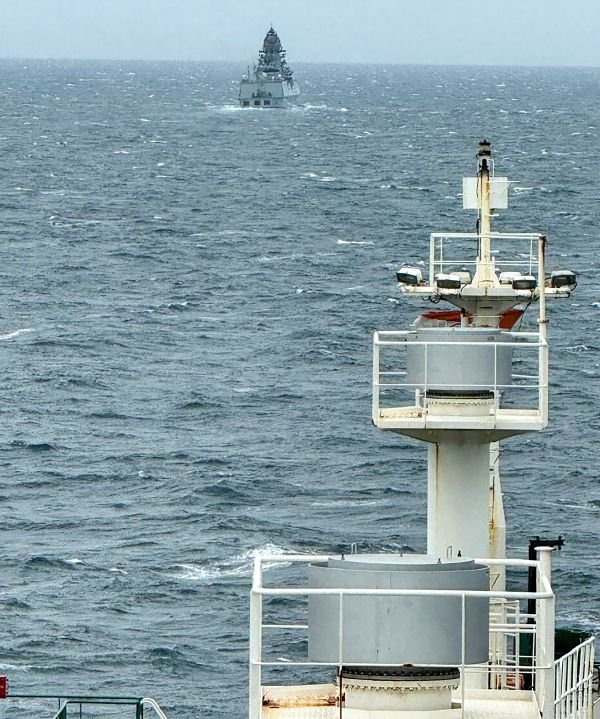
Speaking about energy security and maritime trade, Wright said tanker traffic through the narrow passage continues while emphasizing that Iran would no longer have the ability to shut down the Strait of Hormuz. He added that U.S. military measures and naval escorts have reduced Tehran’s leverage over one of the world’s busiest oil shipping lanes.
The comments are significant because nearly one-fifth of global crude oil trade passes through the Strait of Hormuz, making any disruption a major concern for international energy markets, shipping companies, and oil-importing nations.
📌 Quick Info
- Primary Development: 20 million barrels moved through Strait of Hormuz in 24 hours
- Official: U.S. Energy Secretary Chris Wright
- Strategic Location: Strait of Hormuz
- Global Importance: Carries around one-fifth of global crude oil shipments
- Key Statement: Iran will not be able to close the waterway going forward
- Security Measure: U.S. military escorts for commercial shipping
Strait of Hormuz Oil Shipments Continue Despite Regional Tensions
According to Chris Wright, approximately 20 million barrels of crude oil successfully transited the Strait of Hormuz over the past 24 hours, highlighting that commercial shipping remains active despite ongoing regional instability.
The Strait of Hormuz connects the Persian Gulf with the Gulf of Oman and the Arabian Sea, making it one of the world’s most strategically important maritime chokepoints. Any interruption to shipping through this narrow passage can significantly impact global oil supplies and international energy prices.
Although conflicts in the region have affected shipping activity in recent months, tanker movements have continued under heightened security measures.
Chris Wright Says Iran Cannot Close the Strait
Speaking about regional security, Wright asserted that Iran would no longer possess the ability to block the Strait of Hormuz, describing such a move as Tehran’s primary source of strategic leverage.
He explained that expanded U.S. military escorts and enhanced maritime security operations are designed to prevent interference with commercial vessels passing through the waterway.
Wright also argued that reducing the threat to shipping lanes would help stabilize global energy markets while limiting Iran’s influence over international oil transportation.
| Key Development | Details |
|---|---|
| Oil Moved in 24 Hours | Approximately 20 million barrels |
| Strategic Waterway | Strait of Hormuz |
| Official Statement | Chris Wright, U.S. Energy Secretary |
| Global Oil Share | Around 20% of worldwide crude oil trade |
| Current Security | U.S. military escorts protecting shipping |
| Future Outlook | Iran unlikely to close the waterway, according to Wright |
Why the Strait of Hormuz Matters
The Strait of Hormuz is among the world’s most important maritime energy corridors. A substantial share of crude oil exports from Gulf producers passes through this narrow channel every day. Even temporary disruptions can affect oil prices, shipping insurance costs, energy security, and supply chains across Asia, Europe, and other global markets.
U.S. Pushes Security and Diplomacy Together
While emphasizing military protection for commercial vessels, Wright also stressed that diplomacy remains the preferred long-term solution.
According to the Energy Secretary, a lasting agreement with Iran would benefit both sides by reducing regional tensions while addressing concerns surrounding Tehran’s nuclear program. He suggested that diplomatic engagement could provide greater long-term stability than relying solely on military deterrence.
His remarks reflect Washington’s broader strategy of combining maritime security with diplomatic efforts aimed at preventing further escalation in the region.
What This Means for Global Energy Markets
Energy analysts continue to monitor developments around the Strait of Hormuz because any threat to shipping through the waterway has the potential to influence crude oil prices worldwide.
Stable tanker traffic provides reassurance to importing countries that rely heavily on Middle Eastern crude supplies. However, geopolitical risks remain elevated, meaning governments and traders are likely to continue watching security conditions closely.
Market participants generally view uninterrupted shipping through Hormuz as a key indicator of stability in the global energy sector.
Potential Impact
If tanker movements continue without major disruption, global oil markets could benefit from improved supply stability and reduced concerns over immediate shortages. However, ongoing geopolitical tensions mean the Strait of Hormuz will remain a closely watched flashpoint for governments, investors, and energy companies worldwide.
Conclusion
Strait of Hormuz Oil Shipments remain central to global energy security, and Chris Wright’s statement that 20 million barrels of crude oil passed through the waterway in just 24 hours underscores its continued operational importance. While the U.S. believes enhanced security measures have reduced Iran’s ability to disrupt shipping, both diplomatic negotiations and regional stability will remain crucial for ensuring uninterrupted energy supplies in the months ahead.