
New Delhi, World Affairs Desk | WEBVARTA
Iran Orders Commercial Vessels to Use Tehran-Approved Routes in Strait of Hormuz in a significant move that could reshape maritime security in one of the world’s most strategically important waterways. Iran’s Islamic Revolutionary Guard Corps (IRGC) Navy announced that all commercial ships passing through the Strait of Hormuz must follow routes designated by Tehran, despite recent diplomatic efforts between Iran and the United States to reduce tensions.
The announcement comes days after the United States and Iran established a direct communication line under a 14-point Memorandum of Understanding (MoU) signed in Switzerland on June 17. The agreement extended a ceasefire framework and launched a 60-day timeline for negotiating a broader settlement. However, the latest directive from the IRGC indicates that maritime security remains a major point of contention between Tehran and Western powers.
Iranian officials also claimed that three foreign oil tankers attempting to use an unauthorized southern shipping corridor were intercepted and redirected toward the Persian Gulf, underscoring Tehran’s determination to enforce its navigation rules.
📌 Quick Info
- Country: Iran
- Authority: Islamic Revolutionary Guard Corps (IRGC) Navy
- Strategic Waterway: Strait of Hormuz
- New Directive: Commercial Ships Must Use Tehran-Approved Routes
- Reported Action: Three Foreign Oil Tankers Redirected
- Recent Agreement: US-Iran 14-Point MoU Signed on June 17
- Negotiation Timeline: 60 Days
Iran Orders Commercial Vessels to Use Tehran-Approved Routes
Iran’s Islamic Revolutionary Guard Corps Navy announced that commercial vessels navigating through the Strait of Hormuz must use maritime routes approved by Tehran.
According to Iranian state media, ships attempting to sail through alternative corridors without prior coordination would not be permitted to continue their passage.
The directive is expected to increase scrutiny over commercial shipping through one of the world’s busiest energy transport routes.
Three Foreign Oil Tankers Reportedly Redirected
Iranian authorities claimed that three foreign oil tankers attempted to transit the Strait of Hormuz using the Southern Corridor without authorization.
The IRGC stated that the vessels were stopped and redirected toward the Persian Gulf after allegedly violating Tehran’s navigation guidelines.
No independent confirmation of the reported interceptions has been released.
| Key Development | Details |
|---|---|
| Authority Issuing Order | IRGC Navy |
| Location | Strait of Hormuz |
| Requirement | Use Tehran-Approved Shipping Routes |
| Reported Incident | Three Foreign Oil Tankers Redirected |
| Diplomatic Framework | US-Iran 14-Point MoU |
| Negotiation Period | 60 Days |
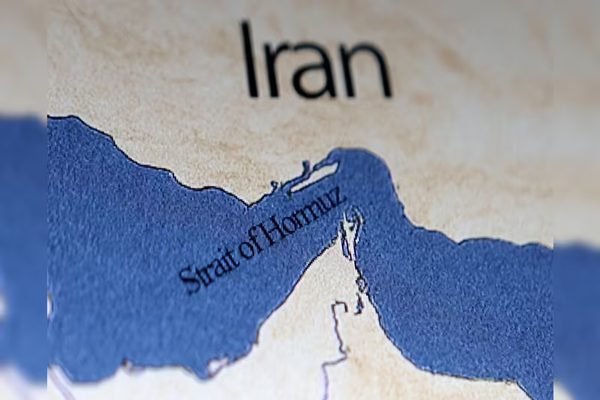
The Strait of Hormuz is one of the world’s most critical maritime chokepoints, connecting the Persian Gulf with international waters. Around one-fifth of global crude oil exports pass through the narrow waterway, making uninterrupted navigation essential for global energy supplies and international trade.
Iran Says Safe Passage Requires Coordination
Deputy Foreign Minister Kazem Gharibabadi stated that commercial vessels should coordinate with Iranian authorities before transiting the Strait of Hormuz.
He warned that navigation through routes not approved by Tehran could face restrictions or temporary suspension if security conditions require additional controls.
Iran maintains that these measures are necessary to ensure maritime safety in the region.
US-Iran Communication Line Remains Active
The latest announcement comes despite the recent establishment of a direct communication line between the IRGC and the United States Central Command (CENTCOM).
The communication mechanism was created following negotiations in Switzerland, where both sides signed a 14-point Memorandum of Understanding on June 17 aimed at reducing tensions and creating a framework for broader peace negotiations.
The agreement also established a 60-day deadline for negotiating a comprehensive settlement.
Global Shipping Industry Closely Monitoring Developments
Shipping companies, energy traders, and international maritime organizations continue to monitor developments in the Strait of Hormuz closely.
Any changes to shipping procedures in the region could influence oil transportation, freight costs, insurance premiums, and broader global energy markets if tensions continue to rise.
The decision that Iran Orders Commercial Vessels to Use Tehran-Approved Routes in Strait of Hormuz could significantly affect global shipping operations and energy markets. Increased navigation controls in one of the world’s busiest oil transit corridors may lead to higher transportation costs, additional security measures, and closer international monitoring as diplomatic negotiations between Iran and the United States continue.
Conclusion
The announcement that Iran Orders Commercial Vessels to Use Tehran-Approved Routes in Strait of Hormuz highlights the continuing strategic importance of the waterway despite ongoing diplomatic engagement with the United States. While negotiations under the recent US-Iran memorandum continue, maritime security remains a critical issue with potential implications for international shipping, global oil supplies, and regional stability.