
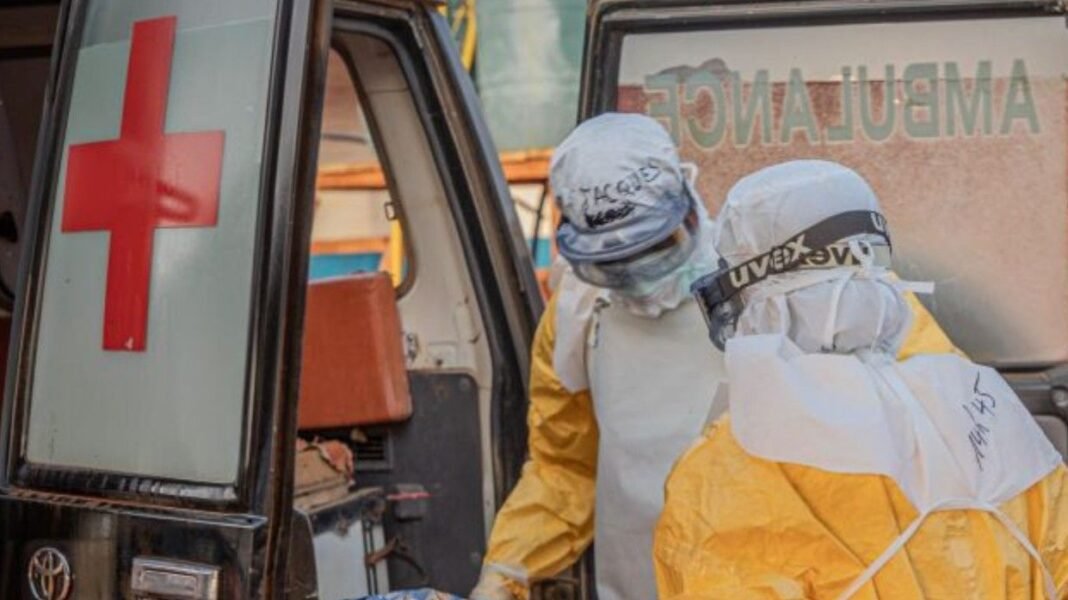
New Delhi, Global Health Desk | WEBVARTA
Ebola Cases Rise to 1155 in DR Congo as health authorities continue to battle one of the world’s most serious infectious disease outbreaks. Officials in the Democratic Republic of Congo (DRC) confirmed that the total number of Ebola infections has climbed to 1155 confirmed cases, while the death toll has increased to 304. Despite improvements in disease surveillance and early detection, health experts have warned that community transmission continues to expand week after week.
Authorities said strengthened epidemiological and biological surveillance systems have enabled faster identification of infected patients, allowing medical teams to isolate cases more quickly. However, the continued rise in infections indicates that the deadly virus remains actively circulating within affected communities, posing a major public health challenge.
The latest figures underscore the importance of sustained international cooperation, vaccination campaigns, contact tracing, and rapid medical intervention to prevent further spread of the Ebola virus in the Democratic Republic of Congo and neighboring regions.
📌 Quick Info
- Country: Democratic Republic of Congo (DRC)
- Confirmed Ebola Cases: 1155
- Reported Deaths: 304
- Current Situation: Community Transmission Increasing
- Health Response: Enhanced Epidemiological and Biological Surveillance
- Key Concern: Rising Weekly Community Spread
Ebola Cases Rise to 1155 in DR Congo
Health officials have confirmed that the Ebola outbreak in the Democratic Republic of Congo continues to worsen, with the number of confirmed infections rising to 1155.
The outbreak has now claimed 304 lives, making it one of the most significant Ebola emergencies in recent years. Medical teams continue working in affected regions to detect new infections, isolate patients, and limit further transmission.
The latest update highlights that while health systems have improved early detection capabilities, the virus continues spreading through community transmission.
Community Transmission Remains a Major Concern
Officials have warned that community transmission continues to increase each week despite ongoing containment measures.
Community spread occurs when infected individuals transmit the virus within households or local communities before being identified and isolated. Such transmission significantly increases the difficulty of controlling outbreaks and requires extensive contact tracing and public awareness efforts.
Health authorities continue to monitor affected areas closely while expanding surveillance and emergency response activities.
| Ebola Outbreak Overview | Latest Figures |
|---|---|
| Country | Democratic Republic of Congo |
| Confirmed Cases | 1155 |
| Reported Deaths | 304 |
| Transmission Status | Community Spread Continues |
| Response Measures | Enhanced Surveillance and Early Detection |
| Primary Objective | Contain Further Transmission |
Ebola is a severe viral disease that spreads through direct contact with infected bodily fluids or contaminated materials. Early diagnosis, patient isolation, contact tracing, vaccination campaigns, and strict infection prevention measures are critical to controlling outbreaks and reducing fatalities.
Improved Surveillance Helps Detect Cases Earlier
Health authorities said intensified epidemiological and biological surveillance has strengthened their ability to identify new Ebola infections at an earlier stage.
Earlier detection enables healthcare workers to isolate infected individuals more quickly, trace contacts efficiently, and begin treatment sooner, helping reduce the risk of wider transmission.
Enhanced laboratory testing and field surveillance remain central components of the ongoing response strategy.
Global Health Community Continues Monitoring the Situation
The Ebola outbreak in the Democratic Republic of Congo continues to receive close attention from international health organizations and humanitarian agencies.
Experts stress that sustained surveillance, adequate funding, community engagement, vaccination efforts, and rapid emergency response remain essential for containing the outbreak and preventing further cross-border spread.
Continued cooperation between national authorities and international partners will play a crucial role in controlling the disease.
The continued rise in Ebola Cases Rise to 1155 in DR Congo highlights the ongoing public health risks posed by community transmission. If infections continue increasing, healthcare systems could face greater pressure, reinforcing the need for sustained surveillance, vaccination campaigns, and international support to contain the outbreak.
Conclusion
The latest figures showing that Ebola Cases Rise to 1155 in DR Congo with 304 reported deaths underline the seriousness of the ongoing outbreak. While enhanced surveillance has improved early case detection, community transmission continues to increase, making continued vigilance essential. Health authorities remain focused on strengthening containment efforts, protecting vulnerable communities, and preventing further spread of the deadly virus.