
New Delhi, World Desk | WEBVARTA
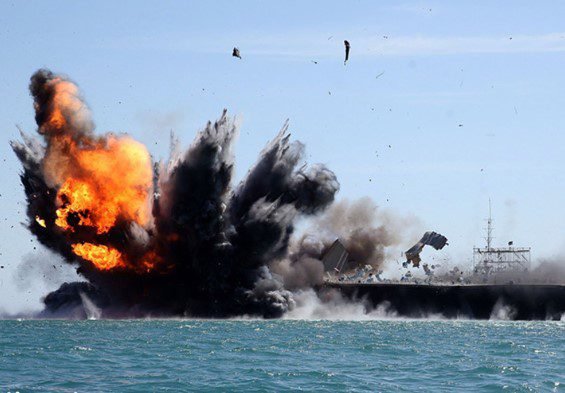
U.S.-Iran Strikes Escalate Tensions in West Asia: The United States and Iran have exchanged fresh military strikes, significantly escalating tensions in West Asia despite recent diplomatic efforts aimed at preserving a fragile ceasefire. The latest confrontation began after an Iranian drone allegedly targeted a commercial cargo ship transiting the strategic Strait of Hormuz. In response, the U.S. military launched precision strikes against Iranian missile and drone infrastructure, prompting Tehran to retaliate by targeting American positions in the region. The renewed hostilities have once again raised concerns over regional security, global energy supplies, and the future of ongoing diplomatic negotiations.
According to the U.S. Central Command (CENTCOM), American forces struck multiple Iranian missile storage facilities, drone launch sites, and coastal radar installations. Washington described the operation as a direct response to what it called “unwarranted aggression against commercial shipping” and accused Iran of violating the existing ceasefire framework in the Gulf.
📌 Quick Info
- Conflict: U.S.-Iran Military Escalation
- Trigger: Alleged Iranian drone attack on cargo ship
- US Response: Strikes on missile, drone and radar sites
- Iran’s Response: Retaliatory attacks on U.S. positions
- Strategic Area: Strait of Hormuz
- Major Concern: Regional security and global oil supply
U.S. Launches Military Response After Cargo Ship Drone Attack
The United States said its military action was conducted after Iranian forces allegedly targeted a commercial cargo vessel operating in the Strait of Hormuz. CENTCOM stated that the strikes focused on facilities believed to support Iran’s missile, drone and surveillance capabilities along the Gulf coastline.
American officials argued that the attacks were intended to deter future threats against international commercial shipping while protecting freedom of navigation through one of the world’s most strategically important maritime corridors.
Iran Accuses Washington of Violating Ceasefire
Iran’s Islamic Revolutionary Guard Corps (IRGC) confirmed carrying out retaliatory strikes against U.S. positions across the region but did not disclose the exact locations targeted. Iranian officials defended their actions as a legitimate response to what they described as American military aggression.
Ebrahim Azizi, head of Iran’s parliamentary National Security Committee, accused the United States of lacking commitment to diplomacy and violating the principles of negotiation and ceasefire agreements.
The Strait of Hormuz remains one of the world’s most important energy chokepoints, with nearly one-fifth of global crude oil shipments passing through the narrow waterway. Any military confrontation in the region has the potential to disrupt global energy markets, shipping operations, and international trade.
Strategic Importance of the Latest Escalation
The latest exchange of strikes comes amid ongoing diplomatic efforts aimed at reaching a broader agreement between Washington and Tehran. However, the renewed military confrontation threatens to undermine negotiations while increasing concerns among Gulf nations about regional stability.
Security analysts warn that further escalation could impact commercial shipping, energy infrastructure, and international oil prices if attacks continue near major maritime routes.
Key Developments in the U.S.-Iran Conflict
| Development | Details |
|---|---|
| Initial Trigger | Drone attack on commercial cargo ship |
| US Military Action | Strikes on Iranian missile, drone and radar facilities |
| Iranian Response | Retaliatory strikes on U.S. positions |
| Strategic Location | Strait of Hormuz |
| US Position | Protect commercial shipping and regional security |
| Iran’s Position | Accuses US of violating ceasefire commitments |
Global Concerns Over Regional Stability
The renewed exchange of military strikes has prompted fresh concerns among international observers over the possibility of a wider regional conflict. Governments across the Middle East continue to closely monitor developments while urging restraint from both Washington and Tehran.
Diplomatic efforts are expected to continue, although analysts believe restoring confidence between both sides may become increasingly difficult following the latest military actions.
The renewed U.S.-Iran confrontation could increase geopolitical uncertainty, threaten international shipping through the Strait of Hormuz, impact global oil prices, and complicate ongoing diplomatic negotiations aimed at achieving lasting regional stability.
Conclusion
U.S.-Iran Strikes Escalate Tensions in West Asia as both nations exchange military action following the reported cargo ship drone attack in the Strait of Hormuz. While Washington maintains its strikes were defensive and aimed at protecting commercial shipping, Tehran insists the United States has violated ceasefire commitments. With tensions once again rising across the Gulf, international attention remains focused on whether diplomacy can prevent a broader regional conflict.
📲 Join our WhatsApp Channel for breaking international news, geopolitical developments, defence updates, and global affairs coverage. Share this report with friends and family to stay informed.