
New Delhi, Faith & Culture Desk | WEBVARTA
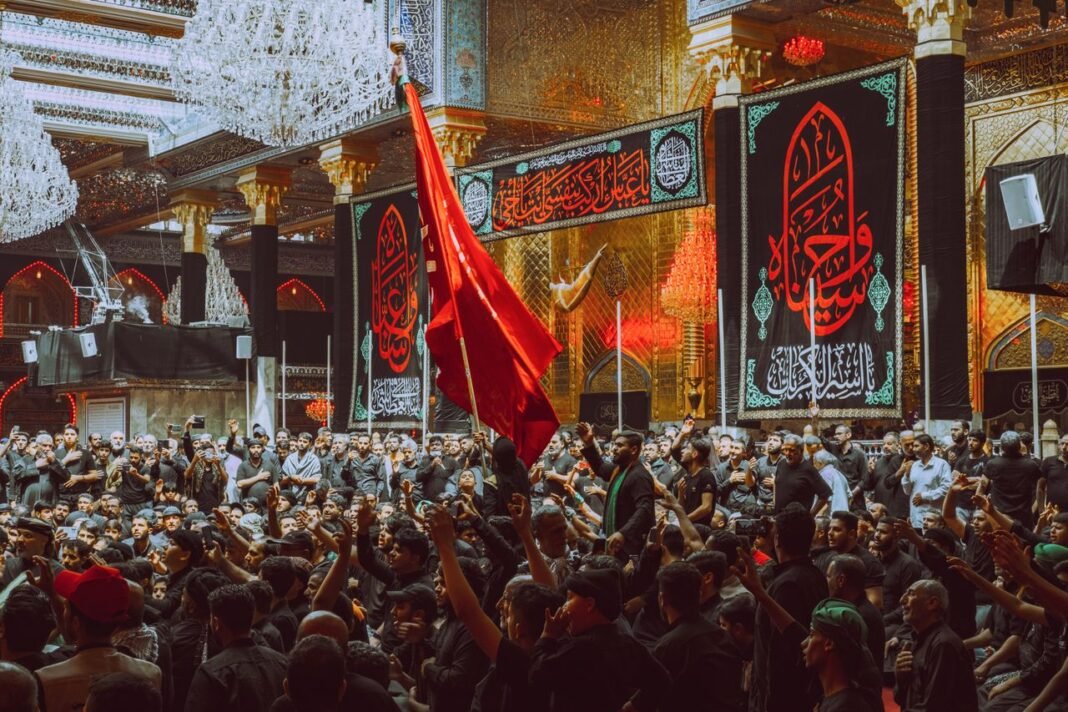
Muharram 2026 Significance marks one of the most solemn periods in the Islamic calendar. For millions of Muslims around the world, particularly within the Shia community, Muharram is observed as a time of mourning, remembrance, and reflection on the sacrifice of Imam Hussain ibn Ali, the grandson of Prophet Muhammad. According to Islamic tradition, Imam Hussain and his small group of family members and companions were martyred in the Battle of Karbala in 680 CE (61 AH), an event remembered as a powerful stand for justice, truth, and moral courage.
The first ten days of Muharram culminate on the 10th day, known as Ashura. During this period, religious gatherings, sermons, prayers, and processions are held across many countries. For believers, the events of Karbala symbolize the triumph of principles over power and the willingness to sacrifice everything rather than compromise faith and justice.
The story of Karbala continues to resonate more than 1,300 years later, inspiring people across cultures and faiths who see Imam Hussain’s stand as a universal message against oppression and injustice.
📌 Quick Info
- Islamic Month: Muharram
- Key Day: Ashura (10th Muharram)
- Historical Event: Battle of Karbala (680 CE / 61 AH)
- Central Figure: Imam Hussain ibn Ali
- Location: Karbala, present-day Iraq
- Observed By: Muslims worldwide, especially the Shia community
Why Muharram Is Observed
According to Islamic historical sources and Shia tradition, Muharram commemorates the martyrdom of Imam Hussain, the grandson of Prophet Muhammad. The events surrounding Karbala are regarded as one of the defining moments in Islamic history.
Historical accounts describe that Imam Hussain refused to pledge allegiance to the Umayyad ruler Yazid ibn Mu’awiya because he believed doing so would compromise fundamental Islamic values and principles. His refusal eventually led to the confrontation at Karbala.
For many Muslims, Muharram is therefore not a celebration but a period of mourning, remembrance, and reflection on the values of justice, patience, sacrifice, and standing against oppression.
The Journey to Karbala
Historical narratives state that Imam Hussain and his family departed from Medina before eventually reaching the plains of Karbala on the 2nd of Muharram in 61 AH.
His caravan consisted of close family members and a small group of loyal companions. Traditional accounts commonly mention approximately 72 supporters who remained with him despite facing a much larger opposing force.
According to Islamic tradition, the confrontation was not merely a military encounter but a moral stand over leadership, justice, and the future direction of the Muslim community.
Historical Context
The events of Karbala are recorded in numerous Islamic historical works, although some details vary across different traditions and historical sources. The central account—that Imam Hussain was killed at Karbala after refusing allegiance to Yazid—is widely acknowledged within Islamic history, while many devotional details are preserved through religious tradition and commemorative literature.
The Hardships Before Ashura
According to Islamic tradition, access to water from the Euphrates River was restricted for Imam Hussain’s camp several days before the battle. The resulting thirst endured by men, women, and children has become one of the most remembered aspects of Muharram commemorations.
Religious gatherings often recall the suffering of Imam Hussain’s family, including the hardships faced by children in the camp. These narratives are central to the emotional remembrance observed during Muharram.
For believers, these events symbolize patience, faith, and unwavering commitment even in the face of immense hardship.
| Timeline of Key Events | Historical Significance |
|---|---|
| 2 Muharram (61 AH) | Imam Hussain’s caravan reaches Karbala |
| 7 Muharram | According to tradition, access to water is restricted |
| 10 Muharram (Ashura) | Battle of Karbala and martyrdom of Imam Hussain |
| 40 Days Later | Arbaeen commemorations are observed by millions |
The Battle of Karbala
According to Islamic historical tradition, the Battle of Karbala took place on the 10th day of Muharram. Imam Hussain’s companions entered the battlefield one by one and were killed during the conflict.
Among those remembered in religious tradition are members of Imam Hussain’s family, including Hazrat Abbas, Ali Akbar, Qasim ibn Hasan, and the infant Ali Asghar. Their sacrifices are commemorated in sermons, elegies, and religious gatherings held throughout Muharram.
Historical and religious sources describe Imam Hussain as remaining steadfast despite overwhelming odds, refusing to abandon the principles he believed were essential to preserving justice and integrity.
Why Imam Hussain’s Sacrifice Is Remembered
For Muslims who commemorate Muharram, Imam Hussain’s sacrifice represents much more than a historical battle. His stand is widely viewed as a symbol of resistance against injustice, tyranny, and oppression.
Religious scholars often emphasize that Karbala teaches universal values including courage, compassion, truthfulness, patience, and moral responsibility. These themes continue to inspire millions of people regardless of nationality or background.
Many pilgrims visit Karbala throughout the year, particularly during Arbaeen, which is observed forty days after Ashura and is regarded as one of the world’s largest annual religious gatherings.
Why Karbala Still Matters Today
For millions of believers, Karbala remains a timeless reminder that principles can outweigh power. The remembrance of Imam Hussain continues to inspire discussions about justice, human dignity, compassion, and standing against oppression, values that resonate far beyond religious boundaries.
Conclusion
Muharram 2026 Significance extends beyond remembering a historical event. For millions of Muslims, it is a period of reflection on sacrifice, faith, justice, and perseverance. According to Islamic tradition, Imam Hussain’s stand at Karbala became an enduring symbol of moral courage that continues to inspire generations more than thirteen centuries later. Whether viewed through history or faith, the story of Karbala remains one of the most influential narratives in Islamic civilization.