
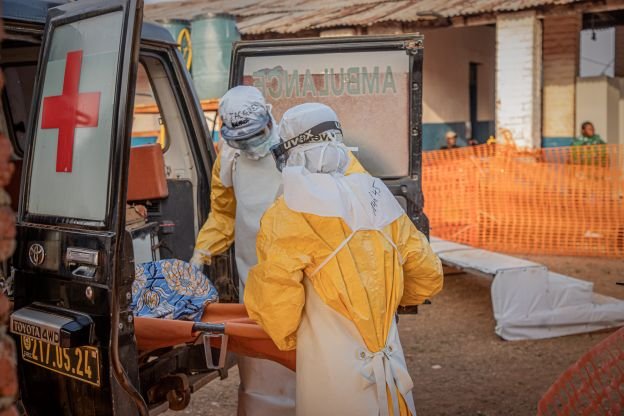
New Delhi, Global Health Desk | WEBVARTA
France has confirmed the first Ebola case detected on its territory during the ongoing outbreak linked to the Democratic Republic of Congo (DRC), marking a significant development in the global health crisis. The patient, a doctor who recently returned from the DRC, tested positive for the deadly virus after arriving in France. The announcement was made on June 24, raising concerns among health authorities about the international spread of Ebola beyond the African continent.
The confirmed case is the first reported outside Africa during the current Ebola outbreak, which has primarily affected the Democratic Republic of Congo and has also seen cases reported in neighboring Uganda. While health officials in France have emphasized that containment measures are in place, the development highlights the continuing challenges posed by highly infectious diseases in an increasingly connected world.
The outbreak in Congo has continued to worsen, with confirmed infections surpassing one thousand cases. Governments and international organizations are closely monitoring the situation as efforts intensify to prevent further cross-border transmission.
📌 Quick Info
- Country Reporting New Case: France
- Patient: Doctor returning from Democratic Republic of Congo
- Status: First Ebola case outside Africa during current outbreak
- Confirmed Cases in DRC: 1,118
- Reported Deaths: 291
- U.S. Funding Request: More than $1.4 billion
What Happened and Why It Matters
The newly confirmed Ebola case in France involves a medical professional who had been working in the Democratic Republic of Congo before returning home. Health authorities quickly identified the infection and initiated containment procedures, including patient isolation and contact tracing.
This development is significant because it represents the first confirmed Ebola infection detected outside Africa during the current outbreak. Although isolated imported cases have occurred in previous outbreaks, such incidents often trigger heightened surveillance efforts due to the virus’s high fatality rate and potential for rapid spread.
The Current Ebola Situation in Democratic Republic of Congo
The Democratic Republic of Congo remains the epicenter of the outbreak. According to figures released through official communications channels, the number of confirmed Ebola cases reached 1,118 as of June 23. The outbreak has resulted in 291 reported deaths, underscoring the severity of the health emergency.
Health workers continue to face major challenges in containing the virus, including difficult access to affected regions, community resistance in some areas, and ongoing logistical hurdles. International health agencies have maintained support through vaccination campaigns, surveillance efforts, and emergency medical response teams.
| Key Ebola Outbreak Statistics | Details |
|---|---|
| Primary Affected Country | Democratic Republic of Congo |
| Confirmed Cases | 1,118 |
| Reported Deaths | 291 |
| Case Detected in France | 1 Confirmed Imported Case |
| Other Affected Nation | Uganda |
| International Status | First Case Outside Africa During Current Outbreak |
Ebola is a severe viral disease that spreads through direct contact with infected bodily fluids. Outbreaks often require extensive public health interventions, including isolation, contact tracing, vaccination campaigns, and community awareness programs. The current outbreak in Congo has become one of the most closely monitored health emergencies in recent years.
France Responds with Containment Measures
French health authorities have moved swiftly following the confirmation of the case. Medical experts are conducting epidemiological investigations to identify individuals who may have come into contact with the infected patient. Hospitals and emergency response units have also been placed on alert as part of standard infectious disease protocols.
Officials have stressed that early detection significantly improves the chances of containing any potential spread. Public health systems in Europe have established preparedness frameworks based on lessons learned from previous Ebola outbreaks.
White House Seeks Additional Ebola Funding
The expanding outbreak has also prompted action in the United States. The White House has requested more than $1.4 billion in supplemental funding from Congress to strengthen the international response to the Ebola crisis.
The proposed package includes approximately $800 million earmarked for humanitarian crisis response efforts. The funding request forms part of a broader emergency supplemental budget proposal submitted to lawmakers on June 24.
Experts say increased funding could support vaccination programs, healthcare infrastructure, emergency response teams, surveillance systems, and humanitarian assistance in affected regions.
Global Health Authorities Remain Vigilant
International health organizations continue to monitor the outbreak closely. While the confirmation of a case in France does not indicate widespread international transmission, it serves as a reminder that infectious diseases can cross borders through international travel.
Public health experts emphasize that strong surveillance systems, rapid diagnosis, and coordinated international cooperation remain critical tools in preventing larger outbreaks. Governments worldwide are reviewing preparedness plans and maintaining close communication with health agencies.
The detection of an Ebola case in France highlights the importance of global disease surveillance and international health cooperation. While authorities currently believe the risk of widespread transmission remains low, the incident reinforces the need for continued vigilance, funding, and rapid response capabilities across borders.
Conclusion
The confirmation of France’s first Ebola case linked to the ongoing Congo outbreak marks an important moment in the global response to the disease. Although health authorities have acted quickly to contain the situation, the development underscores the international implications of regional health emergencies. With confirmed cases in Congo continuing to rise and governments increasing emergency funding efforts, global health agencies remain focused on preventing further spread and protecting vulnerable populations.