
Jerusalem, World Affairs Desk | WEBVARTA
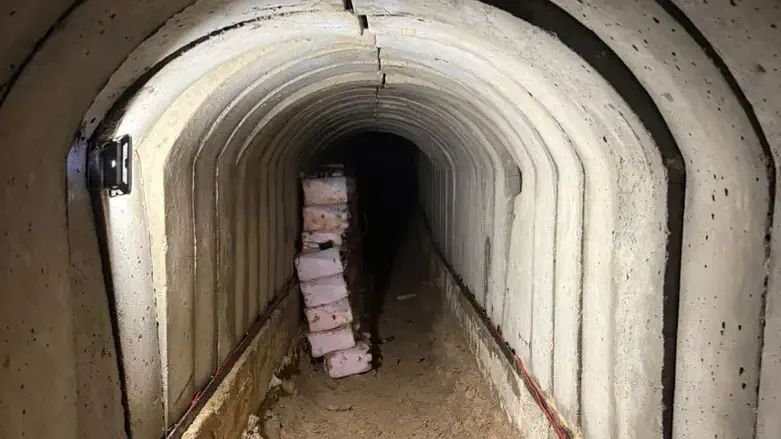
Jerusalem: Israel Hezbollah Tunnel Strike has intensified tensions along the Israel-Lebanon border after the Israeli military announced it had destroyed a 200-metre underground tunnel allegedly used by Hezbollah in the southern Lebanese village of Majdal Zoun. According to Israeli officials, the tunnel contained hundreds of weapons, rocket launchers and military equipment. The operation was carried out after the United States was informed in advance and comes just days after a U.S.-brokered security arrangement aimed at reducing hostilities along the border.
⚡ Quick Info
- Israeli forces destroyed a 200-metre underground tunnel in southern Lebanon.
- Officials said the tunnel contained hundreds of weapons and launchers.
- The United States was informed before the military operation.
- The strike came shortly after a U.S.-brokered border security arrangement.
- Hezbollah condemned the operation as a ceasefire violation.
Israel Hezbollah Tunnel Strike Targets Underground Weapons Network
Israeli authorities stated that the underground passage discovered in Majdal Zoun was being used by Hezbollah to store weapons and facilitate military operations near the border. Defence officials said the tunnel stretched approximately 200 metres and contained a large cache of arms, including launchers and other military equipment.
The Israeli military described the operation as part of its ongoing efforts to dismantle infrastructure it considers a threat to national security. Officials also confirmed that the United States was notified before the strike was carried out.
📌 Why It Matters
The Israel-Lebanon border remains one of the Middle East’s most sensitive security flashpoints. Any military operation involving Hezbollah has the potential to influence regional stability, diplomatic negotiations and international security efforts. The latest strike also raises questions about the durability of recent de-escalation initiatives.
Key Developments at a Glance
| Development | Details |
|---|---|
| Location | Majdal Zoun, Southern Lebanon |
| Tunnel Length | Approximately 200 metres |
| Weapons Recovered | Hundreds of weapons and launchers, according to Israel |
| US Notification | Washington was informed before the strike |
Security Arrangement Faces Fresh Challenge
The operation took place only two days after a security arrangement brokered by the United States sought to reduce cross-border hostilities between Israel and Hezbollah. The understanding reportedly included a phased withdrawal of Israeli forces from certain areas and the deployment of the Lebanese Armed Forces to improve border security.
Despite those diplomatic efforts, the latest military action highlights the fragile nature of the ceasefire and the continuing security concerns on both sides of the border.
🔵 Background
Israel and Hezbollah have remained in conflict for decades, with periodic escalations along the Israel-Lebanon border. Underground tunnels, rocket launch sites and cross-border military infrastructure have frequently been at the centre of security operations. International mediators, including the United States, have repeatedly attempted to reduce tensions through ceasefire arrangements and diplomatic engagement.
Opposing Reactions From Israel and Hezbollah
Israeli Prime Minister Benjamin Netanyahu reiterated that Israel would continue taking action against what it describes as terrorist threats. Officials maintained that maintaining security along the northern border remains a top priority.
Hezbollah, meanwhile, condemned the strike as a serious violation of the ceasefire understanding. The group’s leadership also rejected the broader security arrangement, describing it as unacceptable and insisting that it would not compromise on its position.
| Stakeholder | Position |
|---|---|
| Israel | Says military operations will continue against security threats. |
| Hezbollah | Condemns the strike as a ceasefire violation. |
| United States | Continues supporting diplomatic efforts to reduce tensions. |
🟢 What’s Next?
Regional observers will closely monitor whether diplomatic negotiations continue despite the latest military operation. The implementation of the U.S.-brokered security arrangement and future developments along the Israel-Lebanon border are expected to shape regional stability in the coming weeks.